
Spines > Book Genres > Fantasy
Book Genre Guide

Fantasy Books:
The Complete Genre Guide

This guide covers everything you need to know about fantasy fiction: what defines the genre, its most celebrated subgenres, the best fantasy books readers keep returning to, and exactly how to write one yourself. Whether you’re hunting for your next great read or sitting down to build a world of your own, Spines is here to help you go further.
Typical length

90,000 to 120,000 words.

Pacing

Deliberate world-building early; accelerating momentum through the second half.

Core Readers

Adults and teens who want to inhabit a world completely unlike their own.

Heart of It

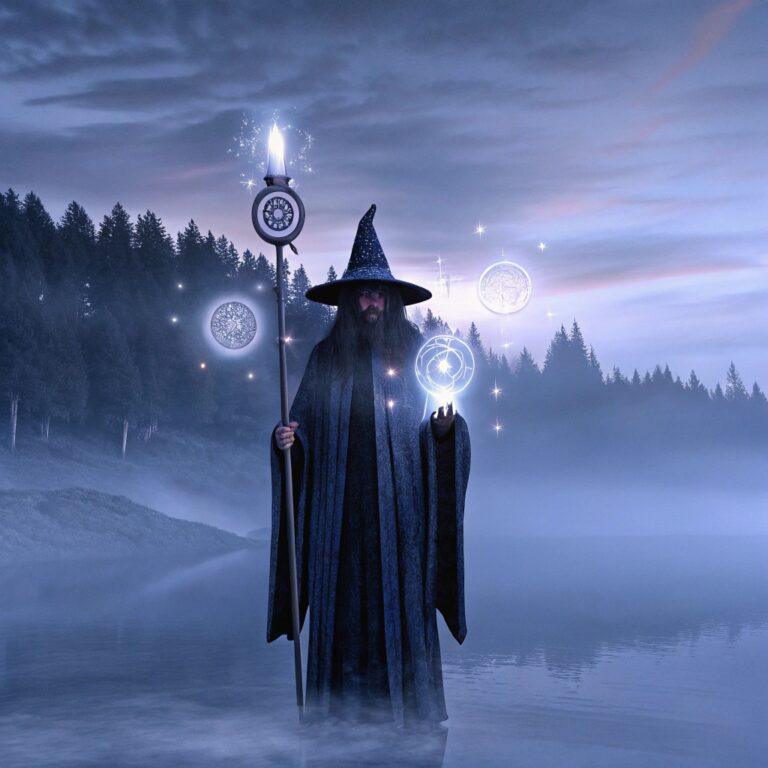
Fantasy explores magical worlds, mythical creatures, and extraordinary adventures beyond the limits of reality.

Best Formats

Ebook, and audiobook (a great narrator can make a fantasy world feel genuinely inhabited).

What Defines the Fantasy Genre

Fantasy Fiction: What Happens When Imagination Gets Structural

Fantasy is the oldest storytelling impulse we have. Long before genres were named, humans were mapping worlds that didn’t exist, populating them with creatures that couldn’t, and using those invented places to say something true about the one we actually live in. The fantasy genre in books is any work where the impossible is the operating premise. Magic, mythical creatures, entirely invented worlds. What separates a great fantasy novel from a mediocre one is rarely worldbuilding.

A World That Feels Alive

Fantasy requires a world that feels inhabited before the plot begins. The best fantasy settings have history, consequence, and internal logic. Places where things happened before the reader arrived and will keep happening after the last page. Readers sense when a world has been genuinely built versus assembled from familiar parts.

Magic Has a Price

Magic in great fantasy fiction obeys rules, even if those rules are never fully explained. It has costs. It has limits. A magic system that can solve any problem at any moment drains tension from the narrative. When the reader understands what magic cannot do, every moment where a character reaches for it becomes genuinely uncertain.

Big Stakes, Personal Stories

Epic fantasy often involves the fate of worlds. The books that endure are the ones where the reader also cares whether one specific character survives, finds what they're looking for, or becomes something better than they started. Scale without intimacy is spectacle. The books that stay are the ones that hold both at once.

The Thrill of the Unknown

Fantasy invites readers into places they've never been, with rules they don't yet know, among people whose histories they haven't heard. That disorientation, handled well, is part of the appeal. The reader learns the world alongside the protagonist. Discovery is the experience.

How to Write a Fantasy Book

Writing fantasy is simultaneously the most liberating and the most demanding form of fiction. You can invent everything. That freedom is also the problem. When nothing is fixed by reality, every decision is yours to make and yours to justify. Here’s how to build a fantasy novel that earns its world.

Know what kind of fantasy you're writing.

Epic fantasy, dark fantasy, cozy fantasy, urban fantasy, romantasy. These aren't just marketing labels. Each carries different reader expectations around tone, pacing, stakes, and magic. Before you build the world, decide what emotional register you're working in. A cozy fantasy that accidentally tips into grimdark has a structural problem no amount of revision will fix.

Build the world from the inside out.

Start with the questions that matter for your story: who holds power, how magic works, what people believe, and what they fear. Resist the temptation to worldbuild in every direction at once. Readers only ever see the corner of the world your characters are standing in. Build that corner in extraordinary detail and gesture at the rest.

Let the magic system generate the conflict.

The best magic systems aren't backgrounds. They're plot engines. Before you start writing, know what magic costs, who can use it, and what happens when it goes wrong. Those constraints will generate more interesting problems than any outline. The story often lives in the gap between what the magic can do and what the character needs it to do.

Give your protagonist something to lose before the world-stakes arrive.

Fantasy readers will follow a character into an invented world only if they care about that character first. Establish personal stakes before the larger conflict claims them: a relationship, a belief, a version of themselves they're trying to protect. The reader needs a reason to stay that the plot hasn't yet given them.

Write the villain as someone who believes they're right.

The antagonists that haunt readers are never purely malevolent. They have a logic, a wound, a goal that almost makes sense. In fantasy especially, where power differentials can be enormous, a villain who is simply powerful is forgettable. A villain whose worldview is internally coherent and occasionally uncomfortably persuasive lodges in the memory.

Pace the exposition like it costs something.

World-building delivered as an information dump kills momentum immediately. Every detail about your world should arrive because a character needs it, fears it, or is surprised by it. The reader doesn't need to understand the political history of your kingdom on page one. They need to feel the tension in the room. History arrives later, when it has somewhere to land.

End on transformation, not just resolution.

The best fantasy endings don't simply close the external conflict. They show us who the protagonist has become as a consequence of everything the world asked of them. The plot closes. The character arc closes on its own terms. Readers finish a great fantasy novel feeling that something real happened, even though nothing in it was real.
Building a Fantasy plot and stuck on structure? A Spines writing coach can help you design your Fantasy, develop your investigator, and make sure every clue lands where it should.

Fantasy Subgenres

Fantasy is the broadest genre there is. Pick the lane closest to your story to see what readers expect and a benchmark title to study.
Subgenre

Cozy Fantasy

Cozy fantasy strips out the world-ending stakes and replaces them with smaller, warmer problems: a bakery that runs on magic, a bookshop between worlds, a postmaster delivering letters across a kingdom. The genre is growing quickly because it gives readers the pleasure of inhabiting a fantastical world without the dread.

Example
The House in the Cerulean Sea — TJ Klune
Subgenre

Romantasy

Romantasy is fantasy where the romantic relationship carries the same structural weight as the external conflict. It runs as a second plot in parallel, and both have to resolve for the book to feel complete. The genre has grown fast because it delivers the emotional intensity of romance fiction inside a world with genuine stakes and magic. Readers get the feeling and the spectacle together.

Example
A Court of Thorns and Roses — Sarah J. Maas
Subgenre

Dark Fantasy

Dark fantasy refuses the genre's comfort. The magic is dangerous, the moral landscape is genuinely ambiguous, and good outcomes are never guaranteed. It borrows from horror for atmosphere: the sense that the world itself is indifferent or actively hostile. For readers who want the scope of fantasy without the reassurance, this is where they live.

Example
The First Law Trilogy — Joe Abercrombie
Subgenre

Epic Fantasy

Epic fantasy is the genre at its most ambitious: sprawling casts, invented histories, multiple nations in conflict, and a central threat that demands everything from everyone. The world is vast, the magic is consequential, and the story almost always takes more than one book to tell. Readers come for the scale and stay for the characters they meet inside it.

Example
The Wheel of Time — Robert Jordan

Best Fantasy Books

The novels that built modern Fantasy, shaped reader expectations, and still function as essential comp titles for writers working in the genre today.
The Lord of the Rings J.R.R. Tolkien
The Lord of the Rings
J.R.R. Tolkien
A Wizard of Earthsea Ursula K. Le Guin
A Wizard of Earthsea
Ursula K. Le Guin
A Game of Throne George R.R. Martin
A Game of Throne
George R.R. Martin
The Name of the Wind Patrick Rothfuss
The Name of the Wind
Patrick Rothfuss
The Way of Kings Brandon Sanderson
The Way of Kings
Brandon Sanderson

Read More About Fantasy

Want to go further? Explore our guides on worldbuilding, magic systems, and publishing your Fantasy series.

Explore Related Genres

Fantasy shares its DNA with these neighbouring genres. Explore their complete guides.

Fantasy Frequently Asked Questions

Your world is waiting for readers

Bring your manuscript to Spines and we’ll take it from final draft to global distribution — your words, your world, your way.

Talk with us!
Talk with us!