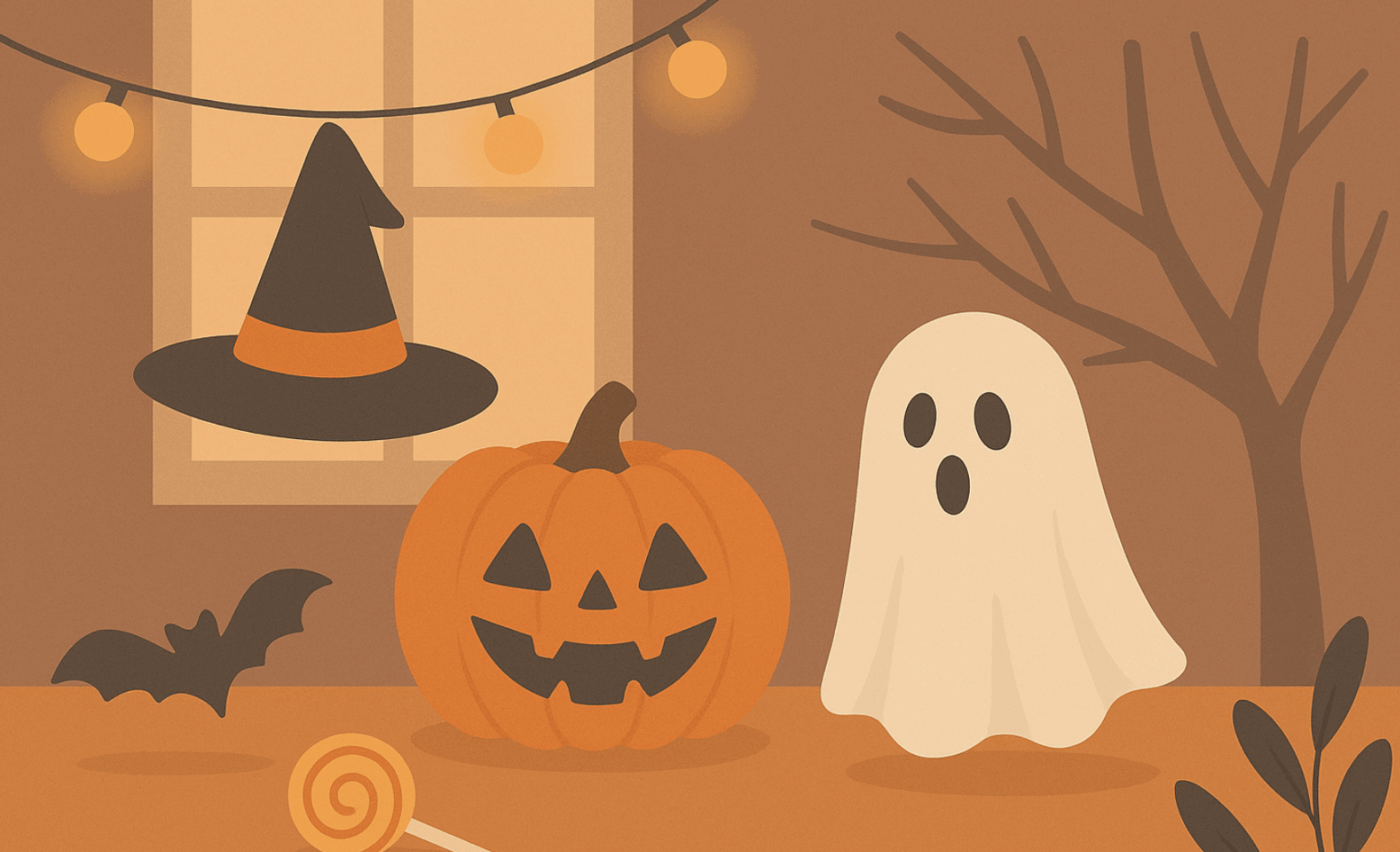
Halloween has a way of sneaking up on us with its mix of mystery, imagination, and a little bit of playful fright. And nothing sets the mood quite like the words we use to describe it. From eerie creatures to glowing pumpkins, Halloween vocabulary helps writers, teachers, and parents create scenes that feel vivid, atmospheric, and full of seasonal charm.
Whether you’re crafting a spooky story, preparing a classroom activity, or simply looking for the perfect words to bring Halloween to life, having a well-organized word list makes everything easier. This guide gathers more than 130 Halloween words—creatures, objects, adjectives, phrases, and more—so you can spark creativity, inspire learning, and add the right touch of spooky fun to any project.
Let’s explore the language that makes Halloween feel like Halloween.
What Are Halloween Words?
Halloween words are the terms, images, and expressions we associate with the holiday’s unique blend of mystery, playfulness, and imagination. They reflect the traditions we celebrate, the stories we tell, and the atmosphere we create each October. From the whimsical costumes to the eerie shadows, Halloween vocabulary helps shape the entire experience.
Understanding the Language of Halloween
Certain words naturally rise to the top each Halloween because they’re woven into the culture surrounding the holiday. Pumpkins, ghosts, witches, lanterns, costumes—these words show up in decorations, stories, movies, and classroom activities, making them instantly recognizable and deeply tied to the season.
Halloween Words vs. General Spooky Words
Not every spooky word is a Halloween word, and not every Halloween word is particularly scary.
- Halloween-specific words include terms tied directly to the holiday itself: trick-or-treat, costume, jack-o’-lantern, candy, haunted house.
- General spooky words belong to the broader world of horror or mystery: fog, shadows, bones, eerie, lurking.
Both types are useful, and when combined, they help create richer, more atmospheric stories, lessons, and activities.
Start Your Publishing Journey FOR FREEMaster List: 130+ Halloween Words (Quick Reference)
If you’re looking for fast inspiration, this quick-reference list brings together classic Halloween terms, spooky imagery, seasonal activities, and fun words kids love. Use it for writing prompts, classroom worksheets, party games, or anytime you want to add a touch of Halloween atmosphere.
A–F
Apparition, autumn, bat, bones, broomstick, cauldron, cobweb, costume, creep, darkness, eerie, enchant, fog, fright
G–L
Ghost, ghoul, gravestone, goosebumps, haunted, howl, jack-o’-lantern, lantern, lurking
M–S
Mask, midnight, mist, monster, moonlight, mummy, potion, pumpkin, shadow, skeleton, spell, spider, spirit, superstition
T–Z
Tombstone, treat, trick, twilight, web, witch, wizard, wraith, zombie
This list sets the stage for the more detailed sections ahead, where you’ll find themed nouns, adjectives, verbs, phrases, food-related words, and kid-friendly vocabulary perfect for Halloween projects.
Halloween Nouns: Creatures, Objects, and Places
Nouns help build the core of any Halloween scene. Whether spooky, playful, or mysterious, these words give you the characters, items, and settings that make Halloween instantly recognizable. Perfect for writers, teachers, and anyone crafting seasonal activities.
Spooky Creatures and Characters
These classic figures bring the supernatural side of Halloween to life.
Ghosts, witches, vampires, zombies, werewolves, goblins, mummies, skeletons, black cats, bats
Halloween Objects and Symbols
From decorations to magical items, these nouns capture the holiday’s imagery.
Pumpkins, jack-o’-lanterns, broomstick, cauldron, lantern, spellbook, cobwebs, coffin, mask, potion
Eerie Places and Settings
These locations create atmosphere and tension in spooky stories and activities.
Haunted house, graveyard, dark forest, dungeon, attic, basement, corn maze, haunted mansion, abandoned cabin
These nouns give you everything you need to start shaping memorable Halloween scenes, whether silly, spooky, or somewhere in between.
Halloween Adjectives: Words That Create Atmosphere
Adjectives bring Halloween scenes to life by adding mood, tone, and texture. Whether you want something lightly spooky for kids or deeper, dramatic language for storytelling, these words help you shape the feeling of the season.
Spooky Descriptions
These adjectives are ideal for eerie stories or atmospheric scenes.
Eerie, haunted, shadowy, chilling, ghostly, sinister, spectral, darkened, mysterious
Fun and Child-Friendly Halloween Words
Perfect for classroom activities, younger readers, or light-hearted Halloween themes.
Spooky, silly, playful, pumpkin-filled, candy-coated, glowing, colorful
Dramatic Adjectives for Writers
These add intensity and depth to more serious Halloween writing.
Sinister, foreboding, ghastly, ominous, dread-filled, nightmarish, unsettling
Adjectives like these help you instantly shift the tone—whether you’re aiming for something cute and fun or something that sends a chill down the spine.
Halloween Verbs: Actions of the Season
Verbs add movement and energy to Halloween writing. They show what characters are doing, how scenes unfold, and what makes the holiday feel alive. Whether you’re describing traditions, spooky moments, or classroom activities, these verbs help drive the action.
Activities and Traditions
These verbs capture the excitement and rituals of Halloween night.
Trick-or-treating, carving, decorating, dressing up, celebrating, gathering, lighting, exploring
Spooky Storytelling Verbs
Perfect for creating suspense, tension, or supernatural moments.
Lurking, creeping, howling, shrieking, vanishing, haunting, stirring, slithering
Party and Classroom Verbs
Great for hands-on activities and creative play.
Crafting, pretending, acting, building, painting, sharing
These verbs bring Halloween scenes to life, helping readers imagine movement, sound, and emotion throughout the story or activity.
Halloween Phrases and Expressions
Sometimes a short phrase captures the spirit of Halloween better than any single word. These expressions are perfect for stories, party invitations, classroom posters, social media captions, and themed activities.
Classic Halloween Sayings
These familiar phrases appear every October.
“Trick or treat,” “Happy Halloween,” “Boo,” “Beware,” “Enter if you dare”
Fun Phrases for Kids
Light-hearted and perfect for young learners or family-friendly projects.
“Too cute to spook,” “Spooky fun ahead,” “Little monster,” “Pumpkin pals”
Dramatic Phrases for Writers
Ideal for building tension or adding a cinematic feel to your writing.
“Shadows in the dark,” “The veil grows thin,” “A chill in the air,” “Something stirs beneath the moonlight”
These expressions help set the tone instantly—whether you’re aiming for festive fun or a touch of eerie mystery.
Words Associated with Halloween Food & Treats
Halloween wouldn’t feel complete without the sweets, seasonal flavors, and classic treats that define the holiday. These food-related words add sensory detail and fun to stories, classroom activities, and festive descriptions.
Candy and Sweets
These treats are the highlight of trick-or-treating and Halloween parties.
Candy corn, lollipops, chocolate bars, gummies, caramel chews, jawbreakers, sour candies
Seasonal Foods
Perfect for capturing the flavors and traditions of autumn.
Pumpkin pie, caramel apples, cider, roasted pumpkin seeds, popcorn balls
Descriptive Food Words
Use these to bring texture, taste, and aroma into your writing.
Sticky, sweet, crunchy, gooey, spiced, warm, sugary, rich
These words help you add sensory depth to Halloween scenes—whether you’re describing a party table, writing a seasonal story, or planning classroom activities centered around fall treats.
Kid-Friendly Halloween Vocabulary Lists
Halloween vocabulary doesn’t have to be scary. Many words associated with the holiday are fun, simple, and perfect for younger learners. These kid-friendly lists make great additions to spelling practice, reading exercises, writing prompts, and classroom games.
Simple Words for Younger Learners
These basic terms are easy for early readers to recognize and use.
Cat, bat, moon, mask, broom, spider, treat, hat, ghost, pumpkin
Classroom Word Banks
Ideal for worksheets, word searches, and themed assignments.
Costume, candy, lantern, zombie, skeleton, witch, night, monster, cobweb
Creative Writing Starters
A small word list to help kids build stories or describe their Halloween night.
Creepy, glowing, tiny, spooky, dark, funny, silly, magical, brave
These words keep Halloween fun, accessible, and age-appropriate while still giving kids room to explore imagination and seasonal themes.
How to Use Halloween Vocabulary in Writing & Teaching
Halloween words aren’t just fun to read—they’re incredibly useful for sparking creativity and helping students or writers build rich, atmospheric scenes. Whether you’re preparing a lesson plan or crafting a spooky story, these ideas show how to put Halloween vocabulary to work.
For Writers
Halloween words help set tone, mood, and pacing.
- Use descriptive nouns and adjectives to create eerie or playful settings.
- Build tension with spooky verbs like lurking, creeping, or howling.
- Shape characters and scenes with vivid phrases that evoke mystery or fun.
For Teachers
Seasonal vocabulary makes learning feel fresh and engaging.
- Create themed word searches, flashcards, and spelling lists.
- Introduce Halloween vocabulary in reading passages or writing prompts.
- Use word banks to support ESL/ELL students during seasonal lessons.
For Parents & Creators
Halloween words can inspire hands-on activities and imaginative play.
- Build scavenger hunts using kid-friendly Halloween terms.
- Encourage children to write short stories or draw scenes based on word lists.
- Add fun phrases to crafts, decorations, or costume planning.
Halloween vocabulary isn’t just seasonal—it’s a tool for creativity, comprehension, and storytelling across all ages and settings.
FAQ: Halloween Words
1. What are Halloween words?
Halloween words are terms, phrases, and expressions associated with the holiday’s themes—spooky creatures, costumes, decorations, traditions, and seasonal imagery.
2. How can I use Halloween vocabulary in writing?
You can use Halloween words to set the mood, describe characters, build suspense, and create atmospheric scenes for stories, poems, scripts, or creative assignments.
3. What are some common Halloween words?
Popular Halloween words include ghost, pumpkin, witch, bat, spooky, cobweb, haunted house, zombie, and trick-or-treat.
4. Are Halloween words only spooky?
Not at all. Many Halloween words are playful or light-hearted, especially those used with younger kids, like costume, candy, silly, glowing, and pumpkin.
5. How can teachers use Halloween vocabulary lists?
Teachers often use them for spelling practice, themed worksheets, reading activities, creative writing prompts, and ESL vocabulary lessons.
6. Are these Halloween words suitable for kids?
Yes. The list includes both spooky and kid-friendly terms, making it easy to choose age-appropriate vocabulary based on the activity.
7. Can Halloween vocabulary help with classroom or party activities?
Definitely. These words are great for scavenger hunts, crafts, caption writing, storytelling games, themed bingo, and seasonal decorations.