Figurative language works in two main ways: one communicates meaning directly, while the other reaches beyond literal words to express something deeper, richer, or harder to capture. When Sylvia Plath wrote that death is an art, she wasn’t doing a clinical analysis. She was tapping into figurative language to say...
A plot is the sequence of events; it is what happens in the book. A story is the emotional experience behind those events; what the characters want, fear, learn, and overcome. And the narrative is the way the book delivers both of those things to the reader, the voice, perspective,...
Starting a book comes down to one decision: beginning before you feel ready. Every author who has finished a book started without knowing exactly how it would turn out. What separates the writers who finish from the ones who don’t is rarely talent. It’s having a clear process and following...
Most writers rewrite their opening more than any other part of their story. The gap between knowing what a great opening does and being able to write one is where most writers get stuck. The best way to start a story is to drop the reader into a moment already...
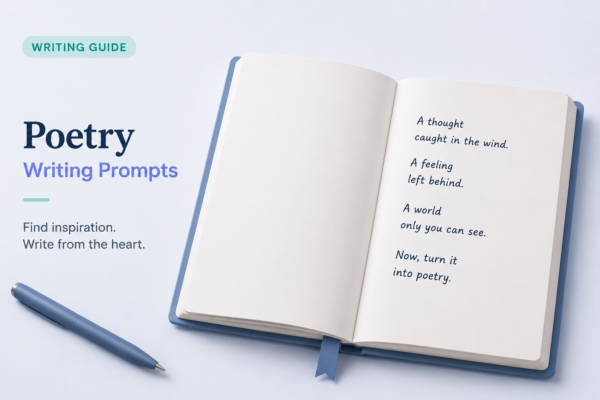
A blank page can make even the most creative person forget every thought they have ever had. A good poetry prompt gives you a doorway into the poem itself, but when you find yourself just staring at the blankness of a page and only funny cat reels come to mind,...
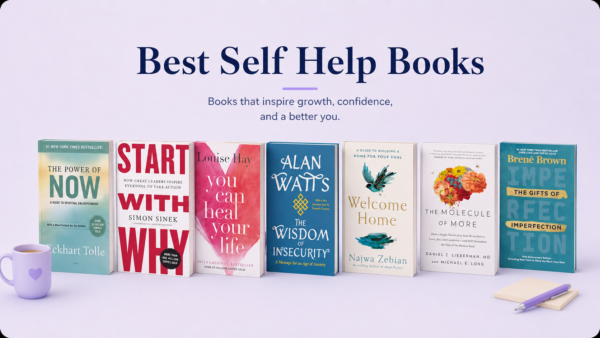
The best self help books rewire the way you think. The problem is finding the ones that actually do. With thousands of titles promising transformation, and reading habits shifting significantly across age groups, how do you know which ones are worth reading? I’ve read all 15 books on this list,...
Sci-fi and fantasy are two of the most popular speculative fiction genres, but they work in different ways. The main difference between sci-fi and fantasy is that science fiction is based on science, technology, and possible futures, while fantasy is based on magic, myth, and supernatural forces. Science fiction often...
The caregiver archetype is one of the most recognizable personality patterns in psychology, storytelling, and brand identity. It describes people, characters, or brands driven by the desire to protect, support, and care for others. Caregivers are often compassionate, dependable, generous, and emotionally aware, but they can also struggle with over-giving,...
A participial phrase example can show you how one small grammar tool can make a sentence feel more vivid, polished, and alive. Instead of adding another full sentence, a participial phrase lets you describe an action, detail, or condition in a smoother way. For example, in the sentence: Running late...
Character arcs inject soul, struggle, and suspense into your plot. They keep readers hooked not just on what’s happening, but why it matters. So, what are character arcs, exactly? In plain terms, a character arc is the internal transformation a character undergoes throughout a story. It’s how a coward becomes...
Unique words to describe love help us say what love alone often can’t. We use the same four-letter word for everything: our partners, our pets, our closest friends, and, yes, that perfect slice of pizza. But one word can’t always capture devotion, longing, tenderness, desire, loyalty, comfort, or that dizzy...
Ever tried to plan a dinner party and accidentally make your guest list sound a little more scandalous than intended? A sentence like: I invited a couple of doctors, strippers and comedians, can create the wrong picture fast. Add one tiny comma, and suddenly the meaning is much clearer: I...