BLOG

Publishing Made Simple

With the right knowledge, publishing your book is easy. Browse our blog to get the insights you need.

5 Key Steps for Successful Self-Publishing

The book world has undergone a major shake-up in recent years, and self-publishing a book has stepped into the spotlight as a powerful option for authors everywhere. What was once seen as a fallback for those who couldn’t land a traditional publishing deal is now a go-to choice for writers across all genres who want to share their stories with...
By Tom Benson
Marketing & Content Manager @Spines

Self-published authors keep up to 70 percent of each sale under Amazon’s Kindle Direct Publishing, against the 10 to 15 percent royalty most traditional publishing contracts pay. How royalty percentages are actually calculated shows why that gap compounds fast for authors who sell in volume. The fifteen authors below turned...

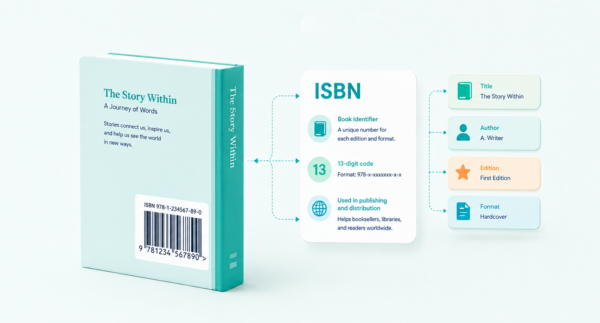
An International Standard Book Number (ISBN) is a unique, 13-digit numerical identifier assigned to books for their commercial sale and distribution. It is used as a product identifier by digital and physical libraries, online retailers, booksellers, and publishers for purposes including inventorying, ordering, listing, and selling. Readers who access these...

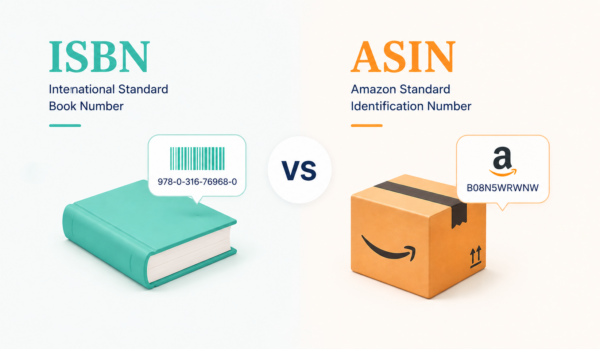
If you’re publishing a book on Amazon, you’ll probably come across two codes: ISBN and ASIN. At first, they can feel like the same thing, but they do very different jobs. Here’s the simple version: an ASIN is Amazon’s own product ID. It helps Amazon organize and display your book...

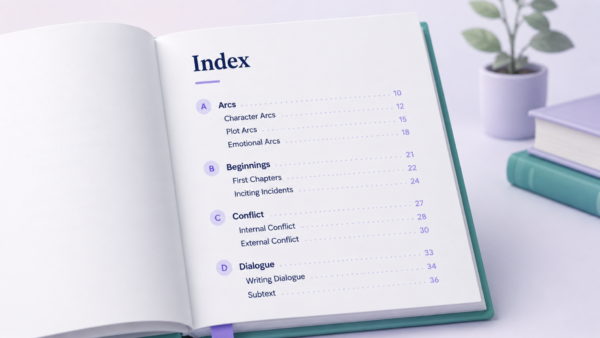
An index in a book is the organized list of names, topics, terms, and concepts that usually appears at the end of a nonfiction book. It helps readers find specific information quickly without flipping through every chapter or relying on memory alone. Think of the book index page as the...

Most authors imagine being able to easily spot a scam publisher. It would look obvious, like a shady email or an offer that’s just too good to be true? A pushy sales pitch with no substance to back it up. But the truth is that the real scams are subtle....

You’ve already finished your manuscript. It’s sitting somewhere on your hard drive. Maybe it’s been there a month. Maybe a year. You tell people it’s “almost ready,” and you almost mean it. At some point it hits you. Writing was never your biggest challenge. Want to know the real reason...

The publishing landscape in 2026 feels bigger and noisier. Publishing didn’t suddenly change overnight. It’s been shifting for years, but by late 2025 the signals got harder to ignore. The global book publishing industry remains massive, with 2025 revenue estimates around $126.8B. In the U.S., major publisher revenues were still...

In 2026, self-publishing is booming, offering authors an exciting path to share their stories with the world. Unlike traditional publishing, self-publishing lets writers bypass gatekeepers, granting them creative freedom, control over their work, and higher royalties. However, to succeed in this dynamic landscape, authors need the right tools. From writing...

Self-publishing has revolutionized the book industry, offering authors unprecedented control and creative freedom over their work. Unlike traditional publishing, self-publishing allows writers to retain their rights, set their own schedules, and receive a larger share of the profits. This approach has democratized the publishing world, enabling countless writers to share...

Self-publishing a horror story in 2026 can feel like standing in the dark corner of a haunted house with nothing but your wits and a flashlight—exciting, a bit terrifying, but ultimately empowering. Whether you’ve just finished writing your chilling tale about vengeful spirits or an apocalyptic world overrun by zombies,...

You’ve written your book. It’s done. The hard part is over, right? But now, the real question hits: How do you actually get it published? Do you need to beg for a publisher’s attention? Is self-publishing really the right path? And, maybe most importantly, how do you get readers beyond...

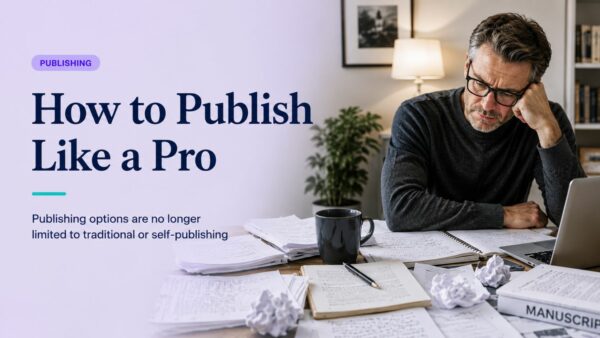
Publishing a book used to require an agent, a publisher, and a willingness to wait years for an answer. Self-publishing changed that, but introduced a different set of problems.  Dozens of vendors, countless handoffs, and no clear path from finished manuscript to professionally published book. With neither path being perfect,...

Talk with us!
Talk with us!