
Every crime novel opens with the same question: who did it, how, and why. That question is the engine of the genre, stretching from the classic whodunit to the legal thriller, true crime, noir, and the psychological crime novel that leaves you unsure who to trust.
70,000 to 100,000 words
Propulsive, the reader should feel the pull throughout.
Adult readers.
The pursuit of truth through wrongdoing, motive, and consequence.
Print & Audiobook.
The crime genre is built around one unanswered question: what happened, and who is responsible? That mystery creates suspense, but the best crime novels use the investigation to reveal motive, character, consequences, and the world behind the crime. A strong crime story usually depends on four forces working together: the central mystery, the pursuit of truth, the suspects’ hidden motives, and the social or emotional conditions surrounding the crime.
True crime books examine real crimes, investigations, and cases through narrative nonfiction. It draws the largest and most specific readership in the genre: people who want rigorous research, narrative craft, and access to the reality of a case rather than a dramatised version of it. The best true crime books explain how a crime became possible and who it happened to, not only that it occurred.
Detective fiction follows an investigator, professional or amateur, solving a crime through observation, deduction, and persistence. It is the oldest and most codified corner of crime fiction, shaped over a century of reader expectations around fair play clues and a resolution that satisfies. The best detective novels make the investigator as memorable as the case, which is why readers hunt down detective books by the sleuth as much as the story.
Legal thriller books turn courtroom procedure, legal strategy, and the machinery of justice into the arena where the case is fought. The subgenre rewards writers who understand how proceedings actually work, because these readers can spot the difference between authentic procedure and convenient fiction.
Crime thriller books place the investigation inside escalating danger, where the protagonist has to both solve the puzzle and survive the threat. The pace runs faster than classic detective fiction and the stakes turn physical, splitting the reader's attention between who did it and whether the protagonist makes it out alive.
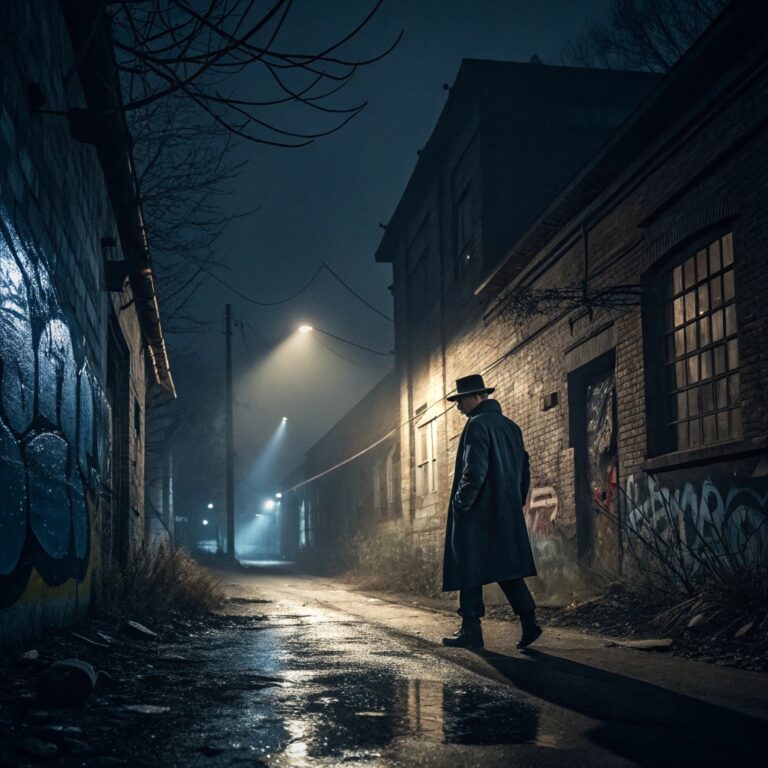
Noir fiction is crime in a minor key: morally compromised protagonists, corrupt systems, atmospheres of dread, and endings that rarely offer clean justice. Its devoted readership values that emotional register above plot mechanics and treats the absence of a tidy resolution as the whole point.



Bring your manuscript to Spines and we’ll take it from final draft to global distribution — your words, your world, your way.