
Every horror story makes the reader the same promise: you will be afraid. From the gothic castle to the haunted house, the cosmic void, the folk ritual, and the quiet terror of an ordinary mind coming apart, the genre exists to give shape to the things we fear, and to make us feel them on the page.
70,000 to 100,000 words.
A slow build punctuated by release.
Readers who value atmosphere, and a fear that lingers.
A confrontation with something we fear.
Print & Audiobook.
The horror genre is built to do one thing: make the reader feel fear. But the fear that lasts depends on four forces working together: a real and specific fear underneath the surface scares, dread that builds through restraint, a threat with its own frightening logic, and an image or idea that refuses to leave once the book is closed.
Cosmic horror, sometimes called Lovecraftian horror, is built on the fear of a universe that is vast, ancient, and utterly indifferent to human life. It draws the highest demand of any corner of the genre, fuelled by a fascination with the unknowable and with how small humanity really is within it. The best cosmic horror frightens not with a monster you can fight but with a truth you cannot survive knowing.
Psychological horror locates the fear inside the mind: unreliable perception, disintegrating sanity, and dread that may or may not have a supernatural source. Its readers find the collapse of a mind more frightening than any creature. The power of the subgenre comes from ambiguity; the reader is never quite sure whether the horror is real or imagined, and that uncertainty is the point.
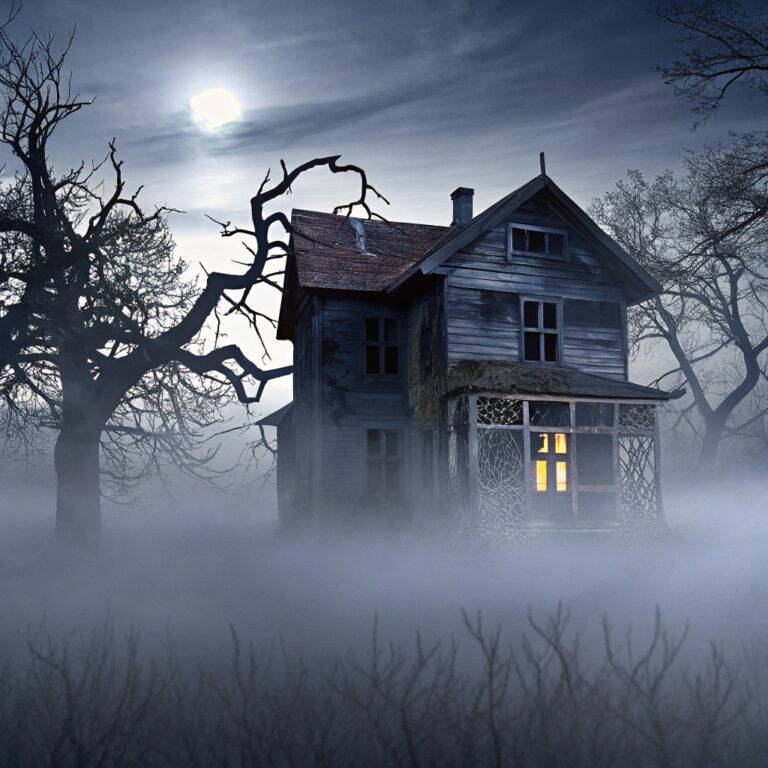
Gothic horror is the genre's founding tradition: decaying houses, buried family secrets, oppressive atmosphere, and dread that seeps out of the setting itself. Its readers have stayed loyal for two centuries, from the eighteenth-century gothic novel through Dracula to modern revivals. The best gothic horror makes place and past into the real monsters, long before anything supernatural appears.
Folk horror draws its fear from rural isolation, old rituals, and belief systems that predate and resist the modern world. It has surged in recent years across both books and film, and rewards writers who can make a landscape feel ancient and hostile. Its signature move is turning community and tradition, usually sources of comfort, into the thing the reader should fear most.
Supernatural horror and the ghost story deal in hauntings, possessions, and the dead who refuse to stay gone. It is the most enduring and widely read strand of the genre, from Victorian ghost stories to the modern haunted-house novel. The best of it uses the supernatural to say something about grief, guilt, and the past that will not be laid to rest.
Bring your manuscript to Spines and we’ll take it from final draft to global distribution — your words, your world, your way.