
Every great novel started as a mess of words. And if you think it was magic that polished it, you’re wrong, it was line editing. You see, even the finest writers need a little help to transform their rough drafts into works of art. Enter the unsung hero of the writing world: line editing.
Line editing is like the personal trainer of your manuscript. It takes those rough, unruly sentences and whips them into shape. It’s not about fixing spelling mistakes or tweaking punctuation (that’s copy editing’s job). Line editing is about flow, rhythm, and making sure each word is pulling its weight. It’s where your writing gets its finesse, where you tighten up those loose ends, smooth out awkward phrasing, and polish your prose until it gleams.
Think of it as the sweat and tears that make your manuscript look effortless. No, it’s not magic; it’s hard work. But once it’s done, you’ll feel like a writing superstar. So, let’s find out about the power of line editing and why it’s something every author needs on their journey to perfection.
What Is Line Editing?
Line editing is the process where your words are sculpted, sentences refined, and the flow of your writing improved without changing the meaning of the text. In short, it’s the magic that happens after the initial draft is done, when your work gets a little TLC to turn it from a rough diamond into a sparkling gem.
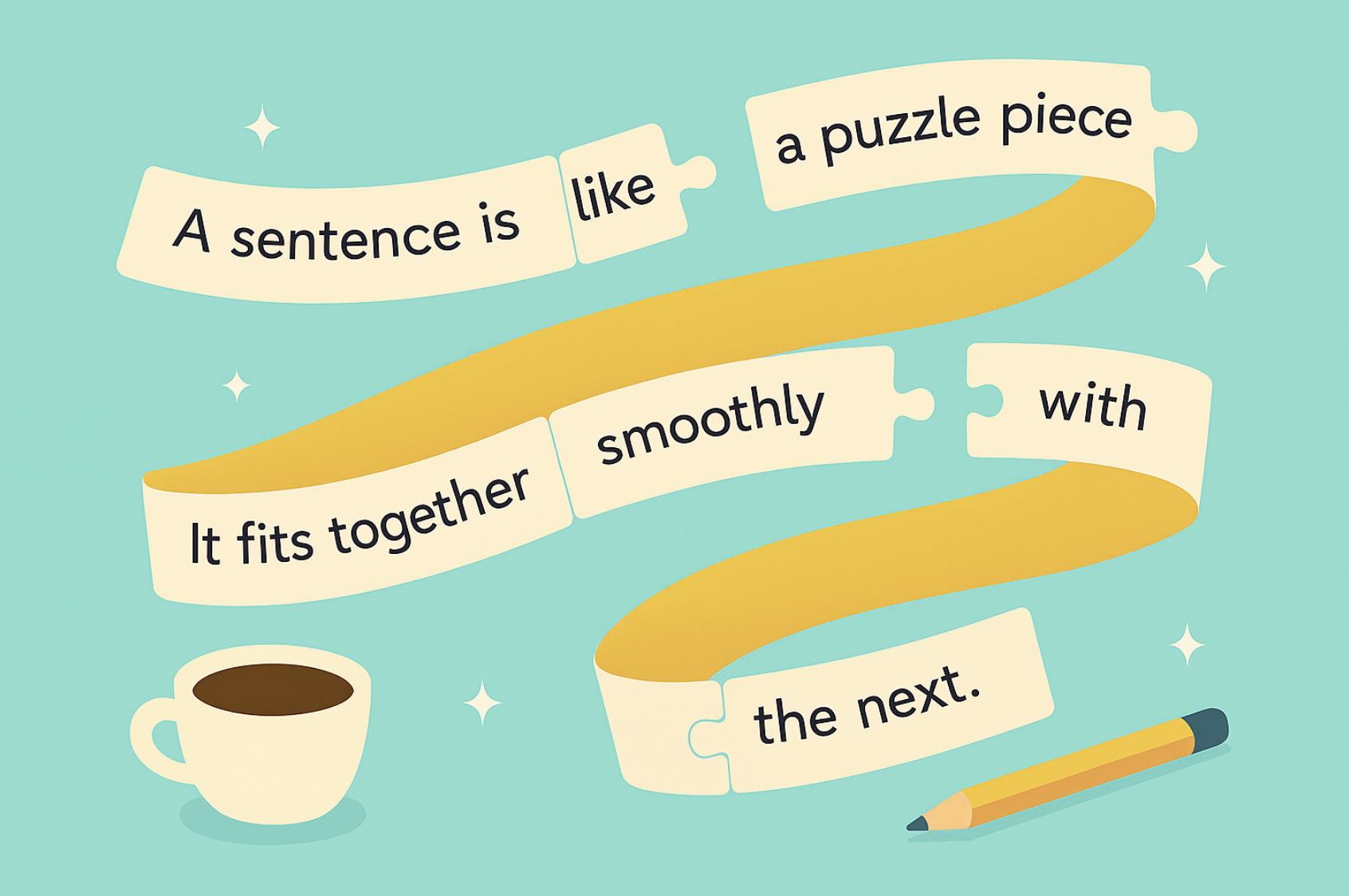
Unlike copy editing, which focuses on grammar, punctuation, and consistency, line editing is all about enhancing clarity, style, tone, and rhythm. It’s like a personal trainer for your manuscript. Imagine a sentence that’s a bit of a clunky mess; line editing will tighten it up, making it smooth and easy to read. It’s about shaping your writing into something that reads like poetry while keeping your unique voice intact.
For example, let’s take this awkward sentence:
“The book was very good and I think it was very interesting to read.”
After a little line editing, it becomes:
“The book was captivating and kept me hooked from start to finish.”
See how much more engaging that is? It’s like putting your first draft through a workout: when it comes out, it’s leaner, stronger, and definitely not puffing for air. Line editing isn’t about changing what you’re saying; it’s about saying it better.
Your Publishing Journey Awaits – Start NowLine Editing vs. Copy Editing: What’s the Difference?
Copy Editing: The Grammar Police
If copy editing were a character, it would definitely wear a badge and carry a red pen. Its job is simple: catch all the nitty-gritty errors. We’re talking spelling, punctuation, grammar, and consistency. Copy editing ensures your manuscript adheres to the rules: no missing commas or rogue apostrophes here! Think of it as the guardian of language, making sure your sentences don’t break any laws of grammar.
Line Editing: The Creative Sculptor
Now, line editing is where the real artistry comes in. It’s not about fixing mistakes; it’s about perfecting your prose. Line editors focus on the flow, rhythm, tone, and clarity of your writing. They fine-tune your words, ensuring they carry the right weight and evoke the right emotions. It’s about giving your sentences a facelift: making them more polished and engaging while staying true to your voice.
Think of it this way: line editing is like adding flair to your morning coffee; copy editing is making sure it’s brewed right. One’s about the details, the other’s about the feel.
The Difference in Action
Here’s an example to illustrate:
Original sentence (before copy editing): “The book was good, and interesting. It had a lot of things, which was cool.”
After copy editing: “The book was good and interesting. It contained many fascinating elements.”
After line editing: “The book was captivating, brimming with intriguing twists and rich details that kept me hooked.”
See the difference? Copy editing cleans up the basics, but line editing takes your work from “meh” to “wow!”
The Power of Line Editing in Writing
Line editing is where the real magic happens in writing. It’s the secret sauce that takes a good piece of writing and makes it great. Whether it’s improving pacing, enhancing structure, smoothing out awkward transitions, or polishing the prose to make it more engaging, line editing elevates your work from “meh” to “wow!”
Think of line editing as a sculptor chiseling away at a block of marble. At first, it might look like a rough shape, but with a few well-placed tweaks, it becomes something magnificent. It helps maintain the momentum of your story, ensuring readers stay hooked from start to finish. It’s about refining the flow of sentences so that your readers glide through your pages without getting caught on clunky phrases or confusing phrasing. A well-edited manuscript reads like it was effortless to write, because the editing work is doing its job in the background, smoothing out all the bumps.
Line editing also makes your unique voice shine through. A raw draft can sometimes feel like it’s hidden under layers of rough edges, but line editing lifts your authentic style to the surface. It’s where your personality and tone can truly come alive, making your writing feel polished yet distinctly you. The difference between a rough draft and a polished piece isn’t just in the grammar; it’s in the impact your words have on the reader.
Here’s a fun analogy: If your first draft is a pizza with too many toppings, line editing is the process of figuring out which toppings should stay and which should go. Too much cheese? Off it goes. A few too many olives? Bye-bye.
And let’s face it, no one expects perfection on the first go. Writing is a process, and line editing is the bridge that takes you from a draft to the kind of writing that truly resonates with readers. So embrace it, it’s what gets you closer to genius!
Why Every Author Needs Line Editing
Whether you’re a seasoned author with multiple bestsellers under your belt or a first-time writer trying to get your foot in the door, line editing is essential. It’s the key to fine-tuning your vision and taking your manuscript from a draft to a polished masterpiece. Even the most talented writers need a fresh set of eyes to ensure their message is clear, their pacing is spot-on, and their voice is consistent.
Good line editing has a powerful impact on readers. It’s the difference between a reader glancing at your work for a moment before moving on or getting completely hooked. It enhances the emotional depth of your writing, making sure every word resonates and that your story flows effortlessly from one page to the next. A well-edited piece has the ability to captivate readers, drawing them in and keeping them on the edge of their seats, eager to turn the page.
Line editing is also crucial when it comes to preparing your manuscript for submission to agents or publishers. If you want your work to stand out in a sea of submissions, you need a polished, professional finish. A manuscript that’s been meticulously line-edited shows agents and publishers that you’re serious about your craft and that you respect the process.
And let’s not forget, even Hemingway needed an editor. Imagine if he didn’t line edit his way through those legendary words!
If you want your writing to truly stand out and make an impact, line editing is your secret weapon. It’s the final touch that takes your work to the next level, so embrace it, and watch your manuscript transform into something extraordinary.

Conclusion: Embrace the Edit
Line editing is the unsung hero of the writing process, the secret ingredient that takes your work from good to great. It’s the crucial step that sharpens your voice, tightens your pacing, and polishes your prose into something that readers can’t put down. It’s not about fixing what’s wrong; it’s about making what’s already there even better.
Rather than viewing line editing as a chore, think of it as a creative opportunity; an exciting chance to make your manuscript shine. It’s where your writing evolves into something that not only flows but feels right, drawing readers in and leaving a lasting impression.
So, remember: you don’t have to be perfect. Just polished. The magic happens when you embrace the edit, giving your work the attention it deserves.
If you want to take your writing to the next level, don’t skip this essential step. Take the plunge into line editing, or reach out to a professional editor. It’s an investment that will pay off, ensuring your writing stands out and truly connects with your readers.
FAQ: Line Editing
Q: What does line editing look like?
Line editing is like a makeover for your manuscript. It’s where a professional editor goes through your work, refining sentence structure, improving clarity, adjusting tone, and ensuring the writing flows smoothly. It’s about more than just fixing grammar, it’s about making each sentence as strong and effective as possible without changing your meaning. A line editor might suggest rewording awkward phrases, cutting unnecessary words, or tightening the rhythm to keep readers engaged. It’s like sculpting a block of marble into a polished statue, ensuring your words are sharp and your ideas shine.
Q: How much do line editors get paid?
Line editing rates can vary widely depending on experience, project complexity, and the editor’s location. On average, professional line editors charge anywhere from $30 to $100 per hour, or $0.02 to $0.05 per word. For a full-length manuscript, this could mean anywhere from a few hundred to a few thousand dollars. Keep in mind that more experienced editors may charge higher rates, especially for specialized genres or high-demand projects. The investment in a good line editor is often well worth it, as it ensures your manuscript is polished and ready for publication.
Q: Is line editing a lost art?
Far from it! While it may not get the same attention as other forms of editing, line editing is still very much alive and thriving. In fact, it’s a crucial part of the writing process. With the rise of self-publishing and more writers taking control of their own work, the demand for line editing has only increased. It’s a skill that requires an eye for detail, a strong understanding of language, and an ability to balance creativity with precision. If anything, the importance of line editing is more recognized than ever as writers seek to elevate their work to professional standards.
Q: What are the four types of editing?
The four main types of editing are:
Developmental Editing – Focuses on the big picture, such as structure, plot, and character development. It’s about shaping the overall manuscript.
Line Editing – Works on refining the language, flow, tone, and clarity of sentences. This is where style and readability get their polish.
Copy Editing – Deals with grammar, punctuation, spelling, and consistency. It’s about ensuring the manuscript is technically flawless.
Proofreading – The final check before publication. It’s about spotting and fixing any remaining errors in grammar, spelling, or formatting.
Q: Do I need a line editor?
If you want your writing to truly shine, yes, you likely do! Line editing is essential for taking your manuscript to the next level. It’s especially helpful if you’re aiming for professional quality or submitting to agents and publishers. Even the best writers benefit from an extra set of eyes that can spot areas for improvement in sentence structure, pacing, and overall flow. While you may be able to edit your own work, a professional line editor brings expertise and experience that can elevate your writing in ways you might not see on your own.
Q: Does proofreading or editing come first?
Editing comes first, specifically line editing and copy editing, followed by proofreading. Editing focuses on refining the content, structure, style, and language of your manuscript. Proofreading is the final step, where you check for any remaining spelling, grammar, or formatting mistakes. It’s like cleaning up after a renovation, after everything is polished and in place, proofreading ensures the tiny details are perfect before the manuscript is sent to publication.