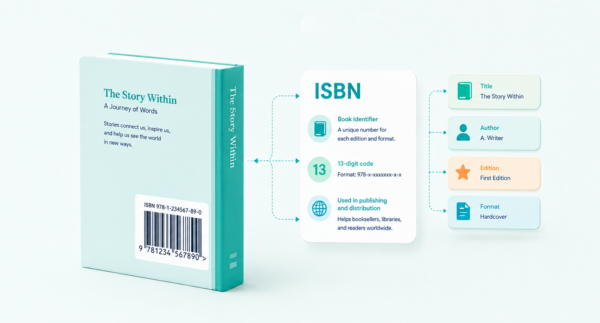
An International Standard Book Number (ISBN) is a unique, 13-digit numerical identifier assigned to books for their commercial sale and distribution. It is used as a product identifier by digital and physical libraries, online retailers, booksellers, and publishers for purposes including inventorying, ordering, listing, and selling. Readers who access these...
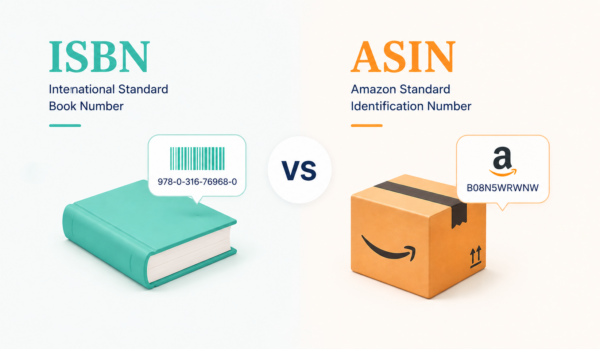
If you’re publishing a book on Amazon, you’ll probably come across two codes: ISBN and ASIN. At first, they can feel like the same thing, but they do very different jobs. Here’s the simple version: an ASIN is Amazon’s own product ID. It helps Amazon organize and display your book...
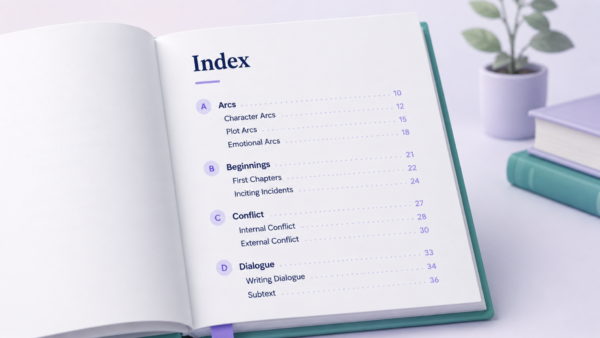
An index in a book is the organized list of names, topics, terms, and concepts that usually appears at the end of a nonfiction book. It helps readers find specific information quickly without flipping through every chapter or relying on memory alone. Think of the book index page as the...
The publishing landscape in 2026 feels bigger and noisier. Publishing didn’t suddenly change overnight. It’s been shifting for years, but by late 2025 the signals got harder to ignore. The global book publishing industry remains massive, with 2025 revenue estimates around $126.8B. In the U.S., major publisher revenues were still...
In 2026, self-publishing is booming, offering authors an exciting path to share their stories with the world. Unlike traditional publishing, self-publishing lets writers bypass gatekeepers, granting them creative freedom, control over their work, and higher royalties. However, to succeed in this dynamic landscape, authors need the right tools. From writing...
Self-publishing has revolutionized the book industry, offering authors unprecedented control and creative freedom over their work. Unlike traditional publishing, self-publishing allows writers to retain their rights, set their own schedules, and receive a larger share of the profits. This approach has democratized the publishing world, enabling countless writers to share...
Self-publishing a horror story in 2026 can feel like standing in the dark corner of a haunted house with nothing but your wits and a flashlight—exciting, a bit terrifying, but ultimately empowering. Whether you’ve just finished writing your chilling tale about vengeful spirits or an apocalyptic world overrun by zombies,...
You’ve written your book. It’s done. The hard part is over, right? But now, the real question hits: How do you actually get it published? Do you need to beg for a publisher’s attention? Is self-publishing really the right path? And, maybe most importantly, how do you get readers beyond...
If love makes the world go ’round, then romance fiction is the genre that keeps today’s publishing ecosystem thriving. Romance continues to be one of the most popular and lucrative segments of the book market, with indie authors particularly dominating reader attention, about 21% of self‑published writers identify romance as...
Poetry is having a moment. From beautifully curated Instagram feeds to bestselling e-books, poetry is thriving in a way that no one could have predicted a decade ago. For many aspiring poets, the question isn’t if they should publish a collection but how. If you’ve ever dreamed of holding your...
Turning a PDF to book might sound like digital wizardry, but it’s really just smart formatting, a bit of know-how, and maybe fewer coffee spills on your keyboard. Whether you’ve got a finished manuscript, a catalog, or that one family cookbook everyone keeps asking for, your trusty PDF can absolutely...
Imagine walking into a library that feels like an all-you-can-eat buffet. No, you won’t find pasta next to the poetry section, but you will find every possible flavor of story waiting to be devoured. Some readers head straight for the thrillers like they would for dessert, while others linger by...