
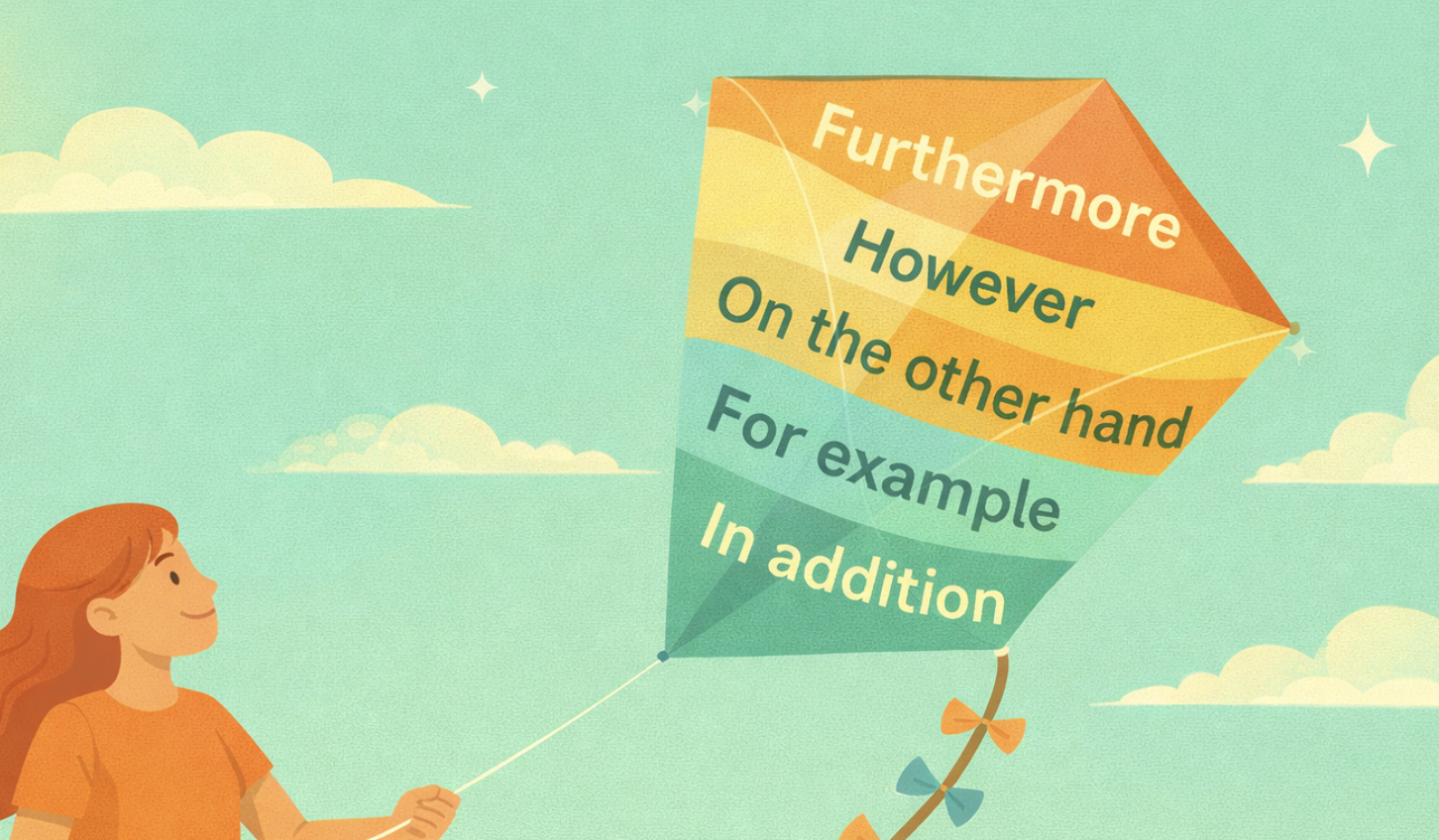
Ever been in an elevator that suddenly stops between floors? The kind of awkward pause that makes you wonder if you’ll be stuck there forever? Well, that’s what it feels like when a piece of writing lacks smooth transition sentences. You’re cruising along with great ideas, and then, bam! a sudden, jarring stop, leaving your reader stuck in the middle with no clear direction on where to go next. Not exactly the thrilling ride you want your readers to have.
Transition sentences are the unsung heroes of good writing. They’re the gentle guides that lead readers from one thought to the next, ensuring the flow is as smooth as butter. Without them, your writing can feel like a bumpy road trip: interesting, but constantly throwing the reader off course.
In this article, we’ll show you exactly how to write transition sentences that enhance your writing, making it not only more readable but more enjoyable. You’ll learn what transition sentences are, see some stellar examples, and discover tips for crafting your own seamless connections that keep readers hooked from start to finish. Ready to smooth out your writing journey?
What Are Transition Sentences? Let’s Break It Down
Transition sentences are the little connectors that keep your writing from falling apart. Think of them as the connective tissue between your ideas, guiding your reader from one thought to the next. They create a logical flow, making sure that each paragraph or section leads naturally into the next, without those awkward stops or jumps.
Imagine you’re writing about how technology has impacted communication. You might start with the rise of smartphones and social media. Now, to smoothly introduce a point about how this shift has affected relationships, you’d use a transition sentence like this:
“While technology has revolutionized communication, it has also introduced new challenges in how we maintain meaningful connections.”
See how it smoothly links the idea of technological change to the challenges that come with it? That’s the magic of a good transition sentence, it helps your reader follow your train of thought without tripping over it.
Now, think of transition sentences as the bridge over troubled waters. Without them, your reader might just fall in, left wondering how you jumped from one idea to the next.
Your Publishing Journey Awaits – Start NowGood Transition Sentences: The Unsung Heroes of Writing
When it comes to transition sentences, the good ones don’t just carry your ideas, they elevate them. The key to a great transition is clarity, smoothness, and relevance. A good transition sentence will help your reader understand how the ideas connect, without being too abrupt or vague. It’s like the difference between a graceful pirouette and tripping over your own feet.
For instance, consider these examples:
- “In contrast to traditional methods, this new approach offers a more efficient way to tackle the problem.”
- “Having explored the challenges, let’s now turn to the potential solutions.”
- “While the first option may seem appealing, the second one holds more long-term benefits.”
Notice how each transition sentence creates a seamless shift in ideas, enhancing the flow of the writing and maintaining the reader’s engagement.
Mastering the art of transition sentences isn’t just a technical skill, it’s a creative opportunity. With the right transitions, you can change the tone, pacing, and emotional flow of your writing, guiding readers exactly where you want them to go.
Now, imagine a rollercoaster that suddenly jerks in unexpected directions: no smooth climb, no thrilling dips, just constant whiplash. That’s what poorly executed transition sentences feel like: jarring, confusing, and definitely not the ride you want your reader on. Keep your transitions smooth, and the ride will be much more enjoyable for everyone.
How to Write Transition Sentences: Tips That Work
Writing transition sentences may seem simple, but like any good relationship, they require attention and care. Here’s your step-by-step guide to mastering this essential writing skill:
Step 1: Understand the Context
Before you start crafting your transition sentence, take a moment to consider what’s coming before and after it. Are you wrapping up an idea or introducing a new one? Understanding the context will help you choose the right transition. For example, if you’re introducing a new idea or contrasting it with the previous one, you might choose transitions like “however,” “in contrast,” or “on the other hand.” If you’re building upon the previous thought, try “for example,” “additionally,” or “furthermore.”
Step 2: Link Your Ideas
The job of a transition sentence is to make the connection between ideas crystal clear. Use key transition words or phrases to establish the relationship. A transition could indicate contrast (“in comparison”), cause and effect (“as a result”), or time (“meanwhile”). The goal is to show how the ideas relate so the reader doesn’t feel like they’ve just entered a new universe.
Step 3: Watch Out for Pitfalls
While transition sentences are key to smooth writing, overuse or misuse can ruin the flow. Avoid these common mistakes:
- Overuse: Relying too heavily on transition phrases like “however,” “therefore,” or “meanwhile” can feel repetitive. Mix things up!
- Vagueness: Transitions should be clear and specific, not vague. Don’t leave your reader guessing about what you’re connecting.
- Redundancy: If the idea you’re transitioning to is already clear, don’t force a transition sentence just to fill space. Keep it concise and relevant.
Step 4: Examples for Different Types of Writing
- Narrative: “After hours of searching, John was ready to give up. But just then, something caught his eye.”
- Academic: “Many studies have shown the importance of sleep for cognitive function. In contrast, recent research suggests there are additional factors at play.”
- Persuasive: “We’ve established that climate change is a growing threat. Now, let’s explore the actions we can take to mitigate its impact.”
Practical Tip: Rhythm Is Key
Play with the rhythm of your transition sentences. Vary sentence lengths, use active voice, or even toss in a rhetorical question to add flair. For instance, try: “But what if we could make it better?” It adds a dynamic punch and keeps your reader engaged.
With these strategies in mind, you’ll be writing transition sentences like a pro, connecting ideas smoothly and keeping your readers hooked from start to finish!
Transition Sentences Examples: Learn from the Masters
Let’s see transition sentences in action across different genres to really grasp their power. Whether you’re writing fiction, business emails, or a blog post, transitions can make your words flow seamlessly and keep readers engaged.
Fiction Example:
Without transition:
“She opened the door and stepped outside. The sun was setting. The streets were empty. She began walking toward the park.”
With transition:
“She opened the door and stepped outside. As the sun began to set, the streets grew quiet, and she made her way toward the park, lost in thought.”
Notice how the transition sentence adds flow, connecting the imagery of the setting sun with her movement, giving the writing a more polished feel.
Business Writing Example:
Without transition:
“Our company has seen impressive growth. The market is expanding. We are considering new product lines.”
With transition:
“Our company has seen impressive growth. As the market continues to expand, we are now exploring opportunities to introduce new product lines.”
Here, the transition sentence links the two ideas, growth and product exploration, by emphasizing the connection between the market conditions and the company’s strategy.
Blogging Example:
Without transition:
“Many people think success is all about luck. But that’s not true. It’s about hard work and persistence.”
With transition:
“While many people think success is all about luck, the truth is it’s driven by hard work and persistence.”
A smooth transition makes the shift from a common misconception to a solid truth feel more natural and thoughtful.
Before and After:
Before:
“She went to the store. She bought bread. She returned home. She made dinner.”
After:
“After heading to the store for some bread, she quickly returned home, where she began preparing dinner.”
The before version feels like a bad road trip, jumpy and full of random stops. The after version, however, uses transition sentences to guide the reader smoothly from one action to the next, making the journey far more enjoyable!
Mastering Transitions: Writing for the Long Haul
Once you’ve mastered the basics of transition sentences, it’s time to take your skills to the next level. Advanced transition techniques involve using more complex connectors and building smooth transitions across multiple paragraphs for a seamless flow. For example, rather than simply saying, “In addition,” you could use phrases like “Building on that idea” or “As we move forward.” These subtle changes give your writing a more sophisticated feel, allowing ideas to flow together effortlessly.
Another key strategy is using transitions across paragraphs, not just between sentences. Consider how one paragraph naturally leads into the next, linking the larger ideas. A great example might be:
“While the previous section discussed the challenges of remote work, the following explores the strategies that companies are adopting to overcome these obstacles.”
Bonus Tip: After writing, read your work out loud. It’s a simple trick that helps you catch awkward transitions or areas where ideas feel disjointed. Tools like Grammarly can also highlight potential improvements in sentence flow.
Think of transition sentences as an art form. They’re the brushstrokes that guide your reader from one idea to the next, creating an elegant narrative that feels fluid and engaging. When mastered, transitions make your writing not just readable, but enjoyable.
Keep Your Writing on Track
In the world of writing, transition sentences are the unsung heroes that keep everything running smoothly. They not only improve readability but also boost engagement by ensuring your ideas flow seamlessly from one to the next. A well-crafted transition can turn choppy writing into a cohesive, enjoyable experience for your readers.
Now that you’ve got the tools, it’s time to put them into practice. Focus on honing your transition sentence skills, and watch how your writing transforms into a smooth, enjoyable ride.
So, go ahead, write those transition sentences and make sure your readers don’t fall off the bridge!
FAQ: Transition Sentences
Q: What are 5 transition words to start a paragraph?
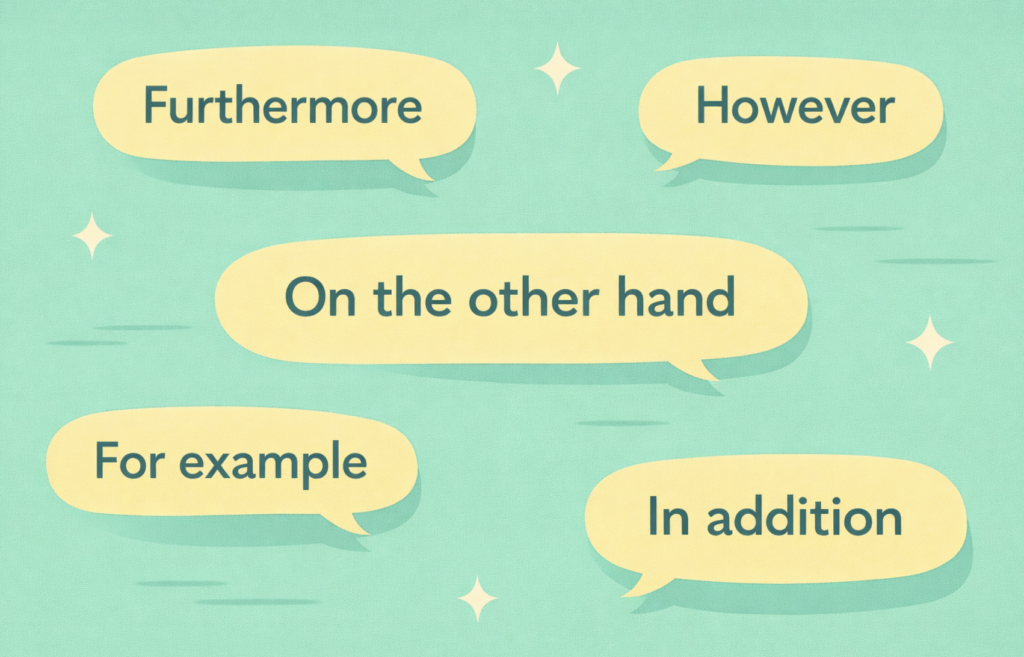
Here are five great transition words to start a paragraph:
Furthermore
However
On the other hand
For example
In addition
These transition words help set the tone and guide the reader smoothly into the next section of your writing.
Q: What is a transition in a sentence?
A transition in a sentence is a word or phrase that connects ideas, ensuring that one thought flows logically into the next. Transition sentences guide readers from one concept to another, enhancing readability and creating a seamless flow. For example, “On the other hand” is a transition phrase that signals contrast between two ideas.
Q: Can transition words start a sentence?
Yes, transition words can start a sentence. In fact, they are often used at the beginning of sentences to smoothly introduce a new idea or to connect back to the previous thought. For example, “However, the results were not as expected.” This helps maintain flow and keeps the reader engaged.
Q: How do I write a good linking sentence?
A good linking sentence connects two ideas or paragraphs clearly and naturally. Start by identifying the key points in the two sections you’re linking. Use transition words or phrases like in addition, consequently, or as a result to show the relationship between the ideas. Ensure the linking sentence is concise and directly ties the two concepts together without introducing a new or unrelated topic.
Q: How can I improve my use of transition sentences?
To improve your use of transition sentences, practice by reading your writing aloud. This helps you hear where the flow might feel choppy or disjointed. Experiment with different transition words and phrases to see how they change the tone or pacing of your writing. Also, focus on building transitions not just within paragraphs but across the entire piece to guide readers smoothly from one section to the next.
Q: Are there any transition words to avoid?
Yes, while transition words are helpful, some can feel overused or vague if relied on too heavily. For example, words like therefore or thus can sometimes sound formal or redundant if used too often. Instead, try varying your transitions with more specific phrases that directly match the relationship between ideas. Overuse of transitions like firstly, secondly, and finally can also feel mechanical, so mix it up with more dynamic alternatives.