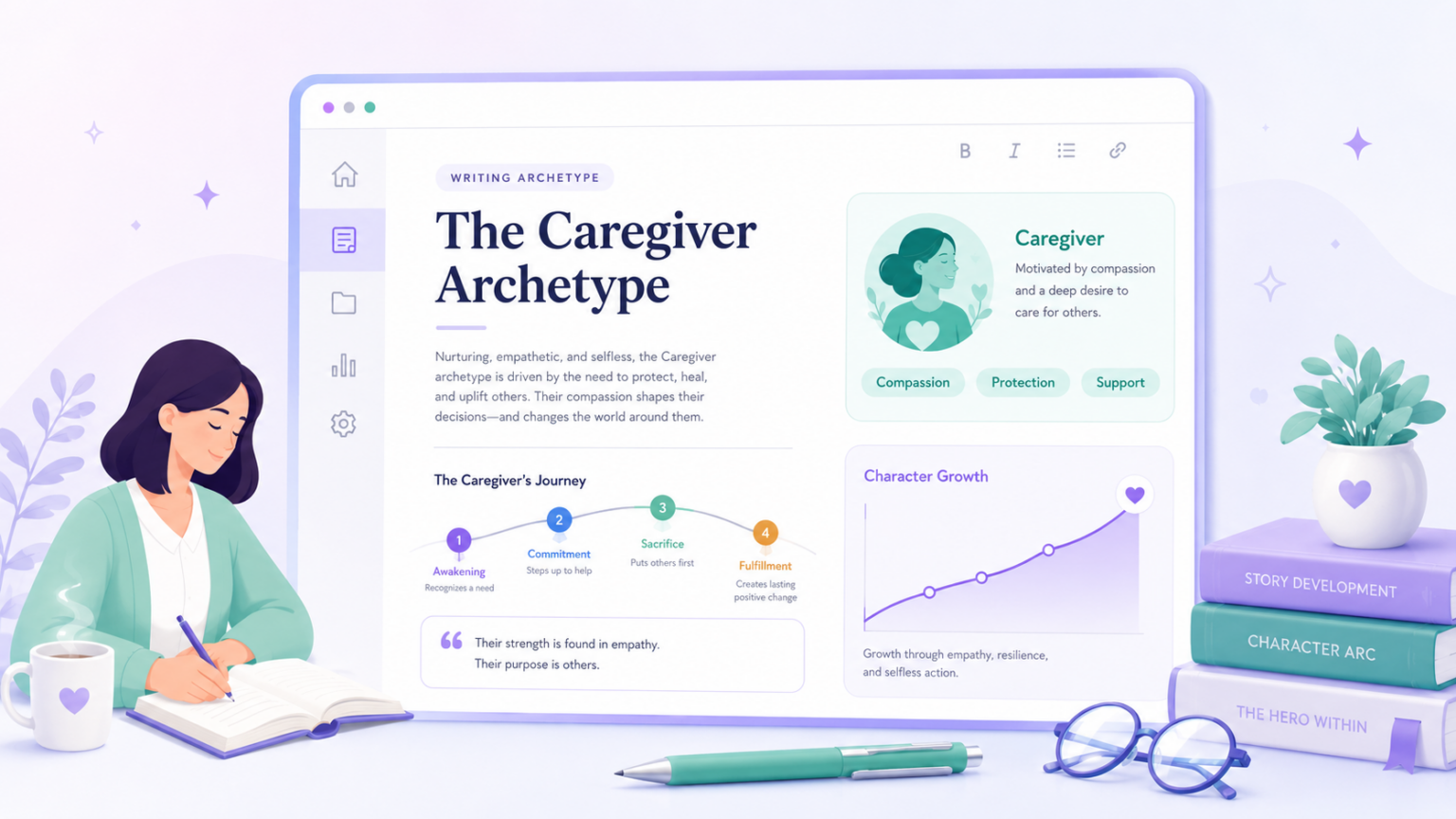
The caregiver archetype is one of the most recognizable personality patterns in psychology, storytelling, and brand identity. It describes people, characters, or brands driven by the desire to protect, support, and care for others. Caregivers are often compassionate, dependable, generous, and emotionally aware, but they can also struggle with over-giving, people-pleasing, or neglecting their own needs.
In simple terms, the caregiver archetype represents the instinct to help others feel safe, valued, and supported. You might see it in a parent who puts their child first, a teacher who guides with patience, a nurse who offers comfort, or a fictional character who becomes the emotional anchor of a story.
This guide explains what the caregiver archetype is, its key traits, common strengths and weaknesses, and the most useful caregiver archetype examples from real life, literature, film, and branding.
What Is the Caregiver Archetype?
The caregiver archetype is a personality or character type centered on compassion, protection, and service. Caregivers are motivated by the desire to help others feel safe, supported, and valued. Common caregiver archetype examples include parents, nurses, teachers, mentors, healers, and nurturing fictional characters.
This archetype is commonly associated with nurturing roles such as parents, teachers, nurses, mentors, healers, and loyal friends. In stories, the caregiver often supports the hero, protects vulnerable characters, or reminds others of what truly matters. In branding, the caregiver archetype is used by companies that want to communicate trust, safety, warmth, and support.
From a psychological perspective, archetypes are recurring patterns of human behavior. The caregiver archetype reflects one of the most universal human needs: the need to care for others and to be cared for in return.
Yes, agreed. Here’s a simpler, cleaner version that is easier to read while still SEO-friendly.
Start Your Publishing Journey FOR FREE5 Key Traits of the Caregiver Archetype
The caregiver archetype is known for compassion, emotional support, and a strong desire to help others. Caregivers are often the people others turn to for comfort, advice, and reassurance.
Here are the key traits that define the caregiver archetype.
1. Empathy
Caregivers are highly aware of other people’s emotions. They can often sense when someone is upset, stressed, or in need of support. This makes them natural listeners and comforting people to be around.
2. Selflessness
The caregiver archetype is motivated by helping others. Caregivers often put other people’s needs first because they genuinely want to make life easier for those around them. The challenge is that this can sometimes lead to over-giving or ignoring their own needs.
3. Responsibility
Caregivers are dependable. When someone needs help, they are often the first to step up. This sense of responsibility makes them steady and trustworthy in relationships, families, workplaces, and stories.
4. Protectiveness
Caregivers naturally want others to feel safe and supported. They may protect loved ones, offer guidance, or create a calm space where people feel cared for. This nurturing side is one of the most recognizable caregiver archetype traits.
5. Patience
Caregivers usually give people time, space, and understanding. They are slow to judge and often help others feel accepted during difficult moments. Their patience makes them a stabilizing presence in other people’s lives.
Examples of Real-Life Caregiver Archetypes
The caregiver archetype isn’t confined to stories or fairy tales, it’s alive and well in the real world, manifesting in countless ways.
Family Caregivers: The Unsung Heroes
One of the most common and heartfelt examples of the caregiver archetype is found in families. Parents, grandparents, and even older siblings often step into caregiving roles, offering emotional, physical, and financial support when needed most. Consider the parent who wakes up in the middle of the night to comfort a sick child or the adult child who moves back home to care for an elderly parent.
Healthcare Workers: Compassion on the Frontlines
Nurses, doctors, and healthcare providers are some of the most prominent real-world embodiments of the caregiver archetype. Whether it’s a nurse comforting a patient during a difficult procedure or a doctor offering reassurance after a tough diagnosis, these professionals dedicate themselves to the care and healing of others.
Volunteers: Giving Back Without Expectation
Caregivers aren’t just found in the medical field or family circles—they’re also in the heart of communities. Volunteers who support food banks, homeless shelters, and disaster relief efforts are prime examples of the caregiver archetype in action. These individuals don’t get paid for their time; they give because they care.
Famous Figures: Global Caregivers Who Changed the World
Throughout history, some individuals have embodied the caregiver archetype on a global scale, making a lasting impact on millions of lives. Mother Teresa is perhaps one of the most well-known examples, dedicating her life to caring for the sick and poor in India. Florence Nightingale, the founder of modern nursing, transformed healthcare by emphasizing the importance of sanitation, patient care, and compassionate nursing practices.
Caregiver Examples in Pop Culture and Literature
From beloved fictional characters to real-life inspirations, the caregiving role appears in many forms across various media. These portrayals help us better understand the emotional depth of caregivers and the significant impact they have on others.
Fictional Characters: The Caregivers We Love
- Marge Simpson (The Simpsons)
No one could ever accuse Marge Simpson of not embodying the caregiver archetype. As the heart of the Simpson family, Marge juggles the responsibilities of raising three kids, managing the household, and supporting her often clueless husband, Homer.
- Mrs. Weasley (Harry Potter)
Molly Weasley is another iconic example of the caregiver archetype. She’s not only a mother to her children but also adopts Harry Potter, offering him the nurturing love and support he’s never had. Mrs. Weasley is fiercely protective, compassionate, and selfless, putting the welfare of her family (and even her extended family) above her own.
- Baymax (Big Hero 6)
The inflatable healthcare companion, Baymax, is the epitome of a caregiving robot, compassionate, caring, and always looking out for others. Though a machine, Baymax’s sole purpose is to help others, offering both physical care and emotional comfort.
Literary Figures: The Caregiver’s Journey
- Florence Nightingale
While not a fictional character, Florence Nightingale is a literary and historical figure who has become synonymous with caregiving. Often referred to as the founder of modern nursing, Nightingale revolutionized healthcare in the 19th century by emphasizing hygiene, compassion, and holistic patient care. Her life and work embody the essence of the caregiver archetype, demonstrating how one person’s dedication to the well-being of others can transform entire systems and inspire generations.
- The Giving Tree by Shel Silverstein
In literature, one of the most poignant representations of the caregiver archetype is found in Shel Silverstein’s The Giving Tree. The tree, representing the ultimate caregiver, offers everything it has to the boy, from its apples to its branches, without ever asking for anything in return. While the story can evoke mixed feelings, it illustrates the boundless generosity and sacrifice that define the caregiver role, sometimes to the point of selflessness that leaves the caregiver with nothing.
Tips for Writing Caregiver Characters
Creating a compelling caregiver character involves more than just acts of kindness. To make them truly resonate with readers, consider these storytelling tips:
- Show Their Motivation: Every caregiver has a reason behind their care, love, duty, personal history, or deep empathy. Understanding this emotional driver adds authenticity.
- Balance Selflessness with Boundaries: Even the most devoted caregivers need limits. Show moments when they wrestle with burnout or must choose between their needs and someone else’s.
- Embrace Emotional Complexity: Let your character experience the full range of feelings, joy, guilt, frustration, and pride. These layers bring emotional realism to the role.
- Avoid “Sainting” Them: Caregivers aren’t flawless. Don’t shy away from showing their impatience, selfish decisions, or moments of emotional fatigue.
- Include Moments of Self-Care and Growth: Give your character space to learn how to take care of themselves. It not only develops the character but also reinforces a key theme of balance.
- Highlight Relationships: The dynamic between caregiver and recipient is crucial. Show how this connection shapes their identity, choices, and emotional journey.
- Show the Impact on Their Life: Caregiving often comes with sacrifice. Explore how it affects their ambitions, relationships, or personal well-being to add depth and realism.
FAQ: The Caregiver Archetype
Q: What is the greatest fear of the Caregiver archetype?
The greatest fear of the Caregiver archetype is being perceived as selfish or failing the people who depend on them. They dread being unable to help or protect those they care about, which can sometimes lead to burnout or overextending themselves.
Q: What is the core desire of the Caregiver archetype?
The core desire of a Caregiver is to protect and care for others. Their primary motivation is to help people feel safe, supported, and valued, whether emotionally, physically, or spiritually.
Q: What is the shadow side of the Caregiver archetype?
The shadow side includes tendencies toward martyrdom, overprotection, or enabling others. Caregivers may neglect their own needs, become overly controlling, or derive self-worth solely from being needed, leading to resentment or emotional exhaustion.
Q: What is an example of a Caregiver brand archetype?
Brands like Johnson & Johnson, Volvo, or The Red Cross embody the Caregiver archetype. These brands focus on safety, healing, and support, positioning themselves as trustworthy, nurturing, and people-first.
Q: What is the Caregiver archetype in mythology?
In mythology, figures like Demeter (the Greek goddess of harvest and motherhood) reflect the Caregiver archetype. Her devotion to her daughter Persephone and her nurturing role in the cycle of life and fertility embody the caregiver’s essential qualities.
Q: Who is the Caregiver archetype in Harry Potter?
Molly Weasley is a textbook example of the Caregiver archetype. She fiercely protects and nurtures her children—and Harry, often placing their needs above her own. Her warmth, loyalty, and quiet strength define her as a classic Caregiver.