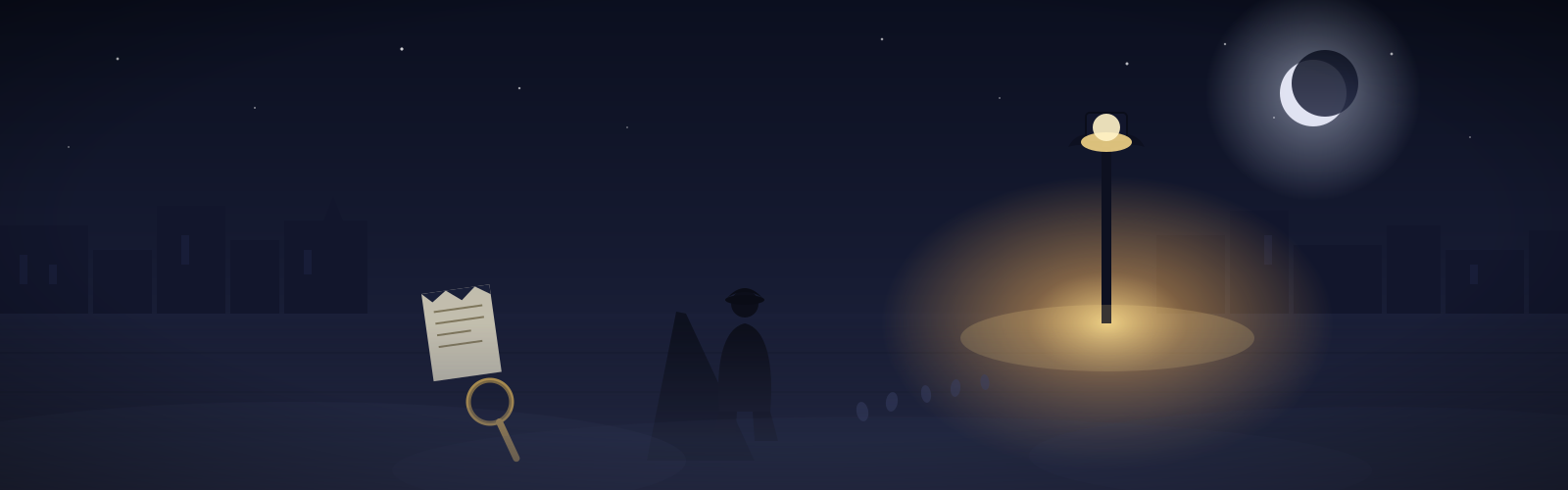
A mystery story idea works when it creates a question the reader cannot walk away from, not when it hides a clever twist. That distinction is what separates a premise that sits in a notes app forever from one that becomes a finished manuscript. This guide gives you a working...
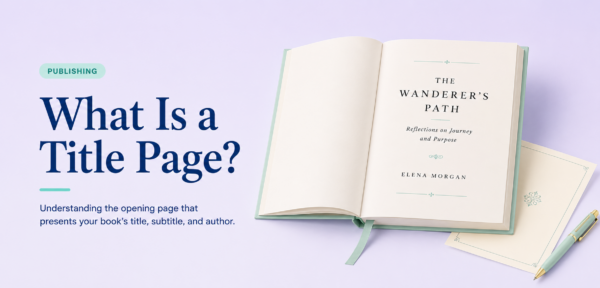
A novelist spends months agonising over a single word to title their book, then hands the reader a page that doesn’t give much away. Meanwhile a freshman is burning the midnight oil trying to format a title page for an APA paper that’s due right away, muttering to themselves about...
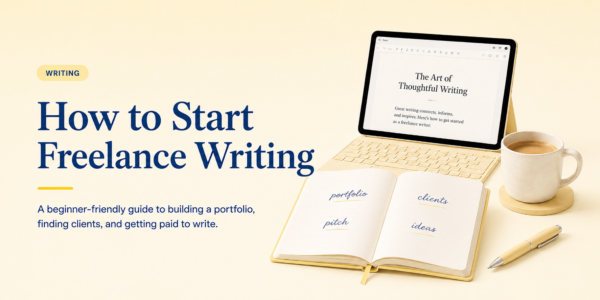
You can become a freelance writer without formal experience by choosing a writing service, creating a few strong samples, building a simple portfolio, and reaching out to beginner-friendly clients. You do not need a degree or published work to start, but you do need to show that you can write...
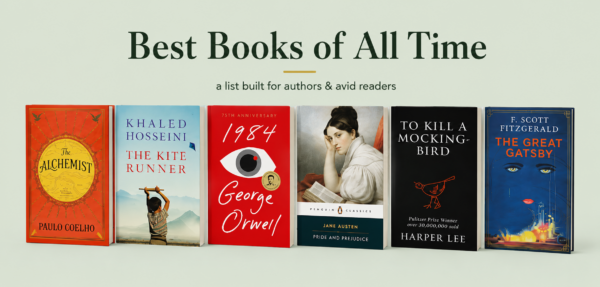
Most lists of the best books of all time are written for people deciding what to read next. This one is written for people who want to understand how these books were built. The best books of all time survive because later writers keep borrowing from them, often without noticing....
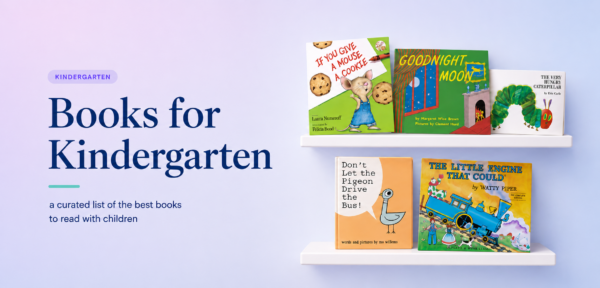
The first time a five-year-old reads a full page on their own, something shifts in the room. The best books for kindergarten are the ones that make that moment arrive sooner, then make a child want to do it again the next night. A good kindergarten book works on two...
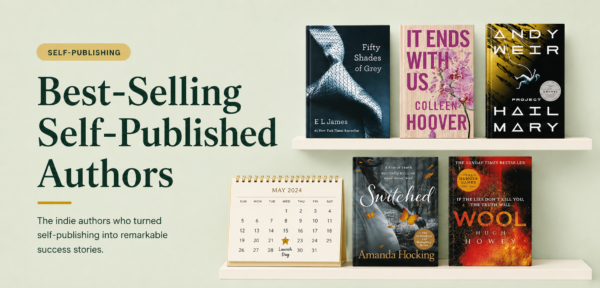
Self-published authors keep up to 70 percent of each sale under Amazon’s Kindle Direct Publishing, compared with the 10 to 15 percent royalty most traditional publishing contracts pay, and how royalty percentages are actually calculated shows why that gap compounds fast for authors who sell in volume. The ten authors...
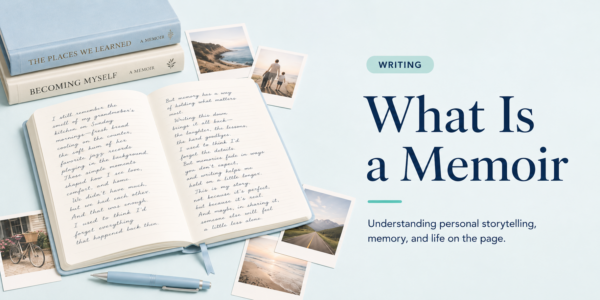
A memoir is a work of creative nonfiction that tells the story of one meaningful chapter of your life, written from your own memory and point of view. Think of it as the highlight reel of the moments that shaped you, the stories with real weight, told close enough that...
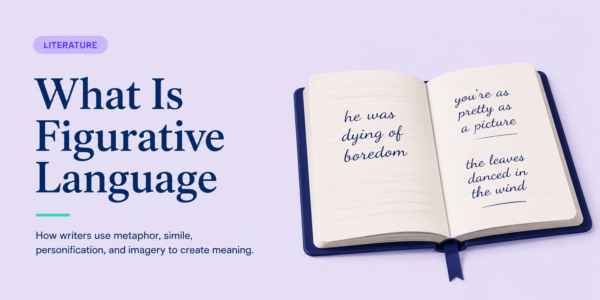
Figurative language basically has two modes. One expresses things dead on. The other sort of stretches towards something words alone can’t quite capture. When Sylvia Plath wrote that death is an art, she wasn’t doing a clinical analysis. She was tapping into figurative language to say something profound about the...
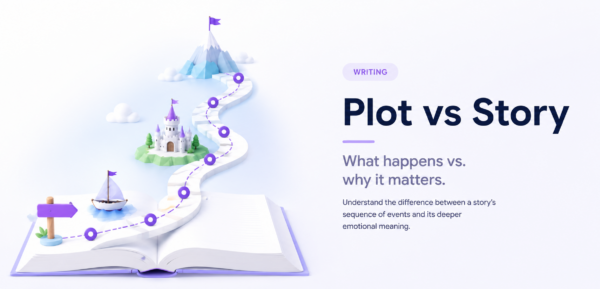
A plot is the sequence of events; it is what happens in the book. A story is the emotional experience behind those events; what the characters want, fear, learn, and overcome. And the narrative is the way the book delivers both of those things to the reader, the voice, perspective,...
Starting a book comes down to one decision: beginning before you feel ready. Every author who has finished a book started without knowing exactly how it would turn out. What separates the writers who finish from the ones who don’t is rarely talent. It’s having a clear process and following...
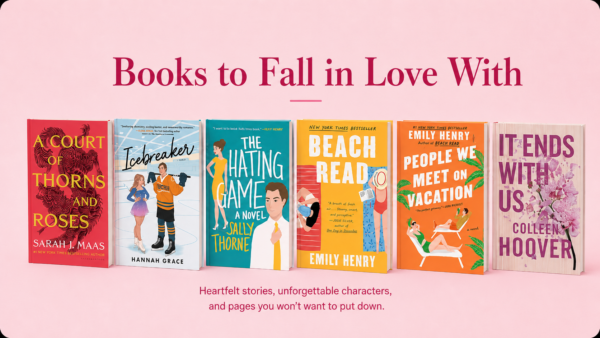
Romance books are my guilty please, so I have read a lot of them! There is nothing quite like getting so completely lost in a love story that the real world goes quiet for a few hours. The right romance book can dissolve a bad week within a couple of...
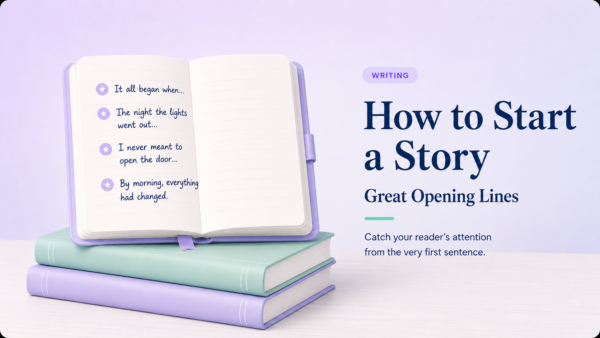
Most writers rewrite their opening more than any other part of their story. The gap between knowing what a great opening does and being able to write one is where most writers get stuck. The best way to start a story is to drop the reader into a moment already...